As an Amazon Associate this site earns from qualifying purchases.
Quick Picks
| Product | What the listing establishes | Who it suits | Link |
|---|---|---|---|
| VEVOR Cutting Machine, Automatic Edge Detection Vinyl Cutter Machine with Two Types of Blades | 10 adjustable blade pressure levels; ±0.1mm accuracy; 20 to 400mm/s cutting speed | Crafters who want finer incremental pressure control | Check Price on Amazon |
| Siser Romeo High-Definition Cutter - 24" Professional Cutting Machine for Vinyl, Paper, and More | Preinstalled cut settings for Siser HTV and EasyPSV; adjustable pinch rollers; commercial-level blades | Shops cutting Siser vinyl daily who want the settings guesswork removed | Check Price on Amazon |
| Vinyl Cutter Machine Dust Cover for VEVOR 28", 600D Oxford Waterproof | Anti-static, waterproof 600D oxford with PU coating; fits VEVOR 28in/720mm and below | Anyone whose rails and rollers collect dust between projects | Check Price on Amazon |
Disclosure: We earn a small commission from qualifying Amazon purchases at no extra cost to you.
As an Amazon Associate we earn from qualifying purchases. This page contains affiliate links, and we may receive a commission if you buy through them — at no extra cost to you.
As an Amazon Associate, we earn from qualifying purchases.
Last Updated: September 2026
If your cutting machine isn't cutting through vinyl, the cause is almost always one of four things: blade depth set too shallow, pressure set too low for the material, a dull or chipped blade, or vinyl that isn't sitting flat against the mat. Work through those four in order before you assume the machine is broken. Only after all four check out is it worth looking at the hardware itself.
This site does not do hands-on testing. What follows is a diagnostic sequence built from how these machines are specified to work, plus product notes drawn strictly from published listing specifications.
The Problem: What "Not Cutting Through" Actually Means
There are three distinct failure modes, and they get treated as one problem. They aren't.
- Under-cutting. The blade scores the vinyl but doesn't sever it, so weeding tears the design. Usually depth or pressure.
- Over-cutting. The blade goes through the vinyl and into the carrier sheet, so the material lifts, curls or shreds. This is the classic "vinyl cutter tearing material" complaint.
- Skipping lines. Part of the design cuts, part doesn't. Usually the material shifted, the mat lost tack, or the blade housing isn't seated.
Step-by-Step Solution
- Run a test cut on a scrap of the same vinyl. Same brand, same roll, same colour. Vinyl formulations differ enough that a setting proven on one roll means little on another.
- Check blade depth before pressure. Extend the blade so only a hair of it protrudes — enough to cut the vinyl film and stop at the carrier. Follow your machine manufacturer's stated blade-depth procedure, then confirm the setting with a test cut on a scrap of the same vinyl rather than judging the exposure by eye.
- Inspect the blade under light. Chips, adhesive buildup and a rounded tip all produce ragged edges. Clean the housing, and if the tip is dull, replace it. No pressure setting rescues a dead blade.
- Reseat the blade housing. It must be fully dropped into the carriage and clamped. A housing sitting a millimetre high is one of the most common reasons a cutter skips lines partway through a design.
- Fix the mat, not the settings. A mat that's lost tack lets vinyl lift as the blade passes. Clean it, or use a machine that supports mat-free loading so the rollers hold the material instead.
- Raise pressure one increment at a time. Test cut after each step. Stop the moment the vinyl weeds cleanly — going further only cuts the carrier.
- Slow the cut speed for intricate designs. Fine detail and tight curves are where the carriage has the least time to settle. If your machine exposes a speed setting, reduce it before you add more pressure.
- Check material flatness and roller position. Wavy vinyl, a bent leading edge, or a pinch roller sitting off the grit strip all cause partial cuts.
Tools and Products You'll Need
Most of this is free troubleshooting. But two situations genuinely call for hardware: your blade is worn out, or your machine's pressure and settings range simply doesn't reach the material you're trying to cut.
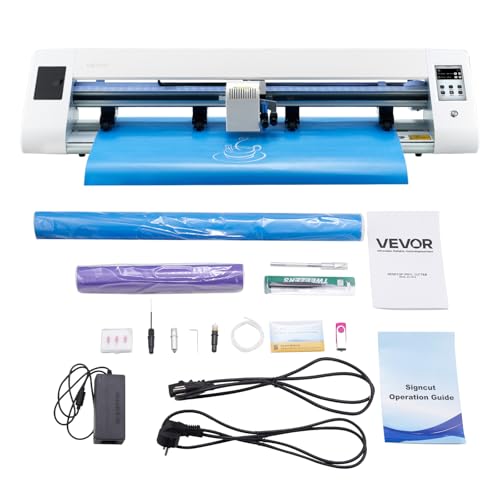
VEVOR Cutting Machine, Automatic Edge Detection Vinyl Cutter Machine with Two Types of Blades — Best for crafters who want finer incremental pressure control
Here's the thing about chronic under-cutting: sometimes it's not technique, it's how finely you can adjust the settings. The listing for the VEVOR Cutting Machine, Automatic Edge Detection Vinyl Cutter Machine with Two Types of Blades states 10 adjustable blade pressure levels, which gives you discrete steps to climb rather than a single "more/less" toggle. The listing for the VEVOR Cutting Machine, Automatic Edge Detection Vinyl Cutter Machine with Two Types of Blades also states it comes with 2 types of blades.
The listing rates it at ±0.1mm accuracy with cutting speeds from 20 to 400mm/s. That speed floor matters more than the ceiling for this problem — being able to drop to 20mm/s is exactly what intricate designs need. Automatic edge detection is listed for cutting along printed patterns, which is print-then-cut sticker territory. Maximum paper feed width is listed at 28" / 720 mm with a max cut size of 23.6" / 600 mm, and the listing claims compatibility with 100+ materials including adhesive vinyl, HTV, cardstock and EVA foam.
Strengths: Ten pressure steps and a 20mm/s low speed give you fine control over the two settings that fix most failed cuts. Two blade types included. Accepts SVG, EPS, PLT and AI files.
Limitations to weigh: The supplied listing does not state a maximum cutting force figure, a blade angle, or a warranty length, so you cannot compare its downforce directly against another machine on paper. "100+ materials" is the seller's claim, not independent verification.
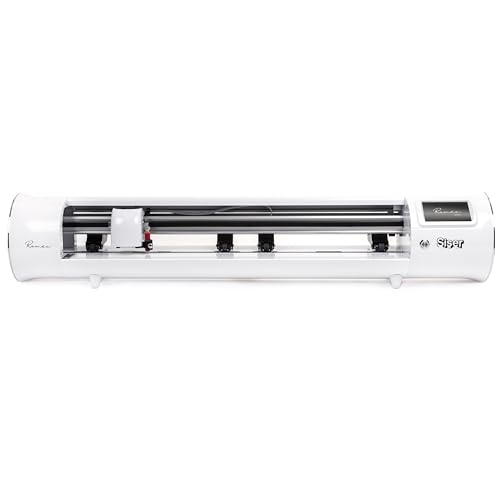
Siser Romeo High-Definition Cutter - 24" Professional Cutting Machine for Vinyl, Paper, and More — Best for shops cutting Siser HTV and EasyPSV in volume
If your failed cuts are specifically on Siser heat transfer vinyl, this is the pointed answer. Siser lists Romeo as coming with preinstalled cut settings for all Siser HTV and EasyPSV. That removes the single biggest variable in this whole article — you stop guessing at depth and pressure for those materials because the manufacturer has already published them into the machine.
The listing also cites adjustable pinch rollers, variable grit rollers and commercial-level blades. Adjustable pinch rollers are directly relevant to skipping lines: if a roller can be moved to sit properly on the grit strip for your material width, the vinyl is far less likely to drift mid-cut. Siser states a full 24" cutting area and mat-free loading capability alongside the included 12"x12" Light Tack Cutting Mat, which sidesteps the worn-mat failure mode entirely.
Siser also claims an advanced motor cutting up to 60% faster than traditional desktop cutters. Read that as a throughput claim, not a cut-quality one — speed does not fix a shallow blade.
Strengths: Preinstalled Siser HTV and EasyPSV settings, adjustable and variable grit pinch rollers, mat-free operation, 24" width, WiFi compatible with Windows and Mac.
Limitations to weigh: The preinstalled settings advantage is specific to Siser's own materials; other brands still need test cuts. The supplied listing does not state a downforce rating, blade life, or duty cycle.
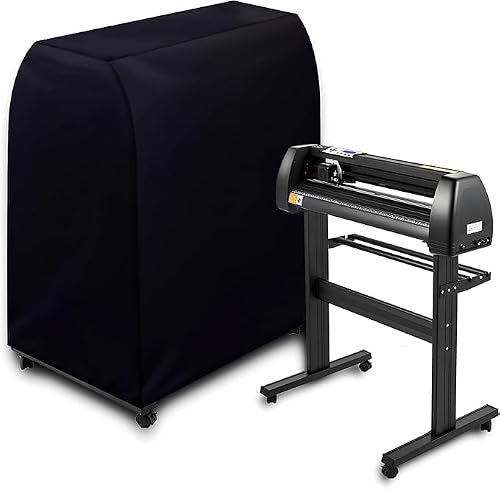
Vinyl Cutter Machine Dust Cover for VEVOR 28", 600D Oxford Waterproof — Best for keeping dust off an idle machine between sessions
This is not a cutter and it will not fix a bad cut today. It's preventive. Dust and vinyl scrap settle on rails, rollers and the blade housing, and grit under a pinch roller is a plausible contributor to inconsistent feeding. The listing describes 600D oxford fabric with a PU glue coating on the back, described as anti-static, waterproof and durable, protecting against dust, spills, scratches, water and fingerprints.
Fit is the thing to check: the listing states it fits VEVOR 28in/720mm and below vinyl cutting machines, and explicitly asks buyers to confirm size before purchase. An elasticated cord at the bottom holds it in place. Do that measurement check yourself — a single stated width does not confirm fit on every machine.
Tips for Best Results
- Log your working settings per material and per brand. A notebook beats memory.
- Replace blades on a schedule, not on failure. A tip degrades gradually, so quality drifts before it collapses.
- Trim the leading edge of your vinyl square. A ragged edge under the rollers introduces skew across the whole cut.
- Let cold vinyl reach room temperature before cutting. Stiff film behaves differently under the same pressure.
Common Mistakes to Avoid
- Jumping straight to maximum pressure. It cuts the carrier, ruins the roll and can shorten blade life.
- Changing two variables at once. Adjust depth or pressure, never both, then test.
- Blaming the machine before the blade. The blade is the cheapest part in the system and the most likely culprit.
- Reusing another crafter's exact settings. Their blade wear, mat tack and vinyl brand are not yours.
- Ignoring roller placement. Rollers off the grit strip cause exactly the intermittent skipping that gets misdiagnosed as low pressure.
How We Research
This website does not perform physical or laboratory testing and does not own the machines discussed here. Every product fact above was drawn from Amazon Creators API verified product records and the products' own listing feature bullets, retrieved 9 September 2026. Where a listing does not publish a figure — cutting force, blade life, warranty term — it is left out rather than estimated. Manufacturer and seller claims are attributed as claims.
Final Verdict
Most "won't cut through vinyl" problems are a worn blade or a shallow depth setting, and they cost nothing to fix. Do the eight steps first.
If you've exhausted them and want a machine that lets you step settings in finely, the VEVOR Cutting Machine, Automatic Edge Detection Vinyl Cutter Machine with Two Types of Blades is the sensible choice for hobby crafters specifically because it publishes 10 adjustable blade pressure levels and a 20mm/s low speed — the two controls that resolve under-cutting and detail loss. For a shop running Siser HTV and EasyPSV every day, the Siser Romeo High-Definition Cutter - 24" Professional Cutting Machine for Vinyl, Paper, and More earns its place on the strength of preinstalled cut settings for those exact materials plus adjustable pinch rollers, which removes the guesswork rather than giving you more knobs to turn.
Related Resources
- Choosing between mat and mat-free cutting
- Heat press temperature and pressure basics
- How to weed intricate vinyl designs
- For general consumer product safety information, see CPSC and USA.gov consumer protection.
Sources & Methodology
No machine on this page was cut with, plugged in, or handled by anyone here — this site runs no workshop and no lab. The specifications, material compatibility statements and settings claims above come from Amazon Creators API verified product records and each listing's own feature bullets, checked on 9 September 2026, which is enough to compare what each manufacturer commits to on paper: pressure steps, speed ranges, cut widths, roller adjustability and preinstalled material profiles. For cutting machines that's genuinely useful, because published pressure levels and material presets are the specifications that determine whether a machine can reach your vinyl at all; what published specs cannot tell you is real-world blade longevity or how a given unit holds calibration over a year of use.